The installation and maintenance of hot water tanks and heaters are crucial aspects of residential and commercial comfort. Ensuring that these systems function efficiently not only enhances the quality of life but also provides significant cost savings in the long run. Different stakeholders, from homeowners to business owners, all benefit when best practices are implemented effectively. This article delves into the critical components of successful hot water tank services, including installation, repair, and maintenance, while emphasizing the importance of collaboration among all parties involved.
Understanding the Basics of Hot Water Systems
Hot water tanks and heaters operate on fairly straightforward principles but can be broken down into various types. The primary categories include tankless systems, traditional storage tanks, and heat pump water heaters. Each system has its own set of advantages and disadvantages depending on factors like expansion tank repair energy efficiency, space requirements, and initial costs.
For instance, tankless systems provide hot water on demand; they do not have standby heat loss as traditional tanks do. However, their upfront installation cost is usually higher. Conversely, traditional storage tank models are more affordable initially but may incur higher energy bills over time due to heat loss.
Understanding these basics helps homeowners make informed decisions about installations or replacements. Clarity around the operational aspects can also assist service providers in tailoring their recommendations based on individual needs.
Best Practices for Installation
Proper installation is foundational to achieving optimal performance from any hot water system. Here are a few best practices that professionals should follow:
Accurate Sizing: Selecting the right size for a hot water heater is essential. A unit that is too small will struggle to meet demand, leading to frustration during high usage periods. Conversely, an oversized unit will waste energy.
Correct Placement: Positioning a hot water tank in an optimal location can enhance efficiency. For instance, placing it close to high-demand outlets minimizes heat loss through piping.
Quality Connections: Ensuring that all connections—water supply lines, gas lines (if applicable), and electrical wiring—are secure prevents leaks and potential hazards.
Ventilation Requirements: For gas-powered units, proper ventilation is necessary to prevent carbon monoxide buildup. Adhering to local codes during installation ensures safety for occupants.
Testing After Installation: Once installed, testing the system for functionality is critical. This includes checking for leaks, verifying temperature settings at faucets, and ensuring that safety features like pressure relief valves work correctly.
These steps not only contribute to a successful installation but also foster trust between service providers and clients through demonstrated professionalism.
Maintenance Protocols That Ensure Longevity
Routine maintenance plays a pivotal role in prolonging the lifespan of hot water tanks while enhancing their efficiency. Homeowners should engage with professionals who emphasize preventive care rather than solely reactive repairs.
Regular Inspections
Scheduling annual inspections allows technicians to identify potential issues before they escalate into costly repairs or replacements. During affordable leaking water heater repair these inspections, professionals typically check:
- The condition of heating elements The integrity of the pressure relief valve The presence of sediment buildup within the tank
Sediment buildup is particularly problematic in areas with hard water; it can significantly reduce efficiency by insulating heating elements against direct contact with water.
Flushing Services
Flushing out sediment from the tank once or twice a year helps maintain efficiency by removing mineral deposits that can lead to overheating or reduced capacity over time.
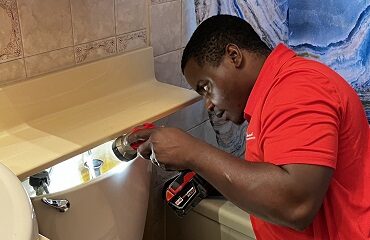
Client education about this process not only empowers homeowners but also sets realistic expectations regarding maintenance schedules.
Anode Rod Replacement
Anode rods play a crucial role in preventing corrosion inside the tank by attracting corrosive elements in the water supply. Over time, these rods degrade and need replacing every three to five years depending on usage patterns and local water quality.
By informing customers about this often-overlooked aspect of maintenance, service providers can help them avoid premature tank failures due to rust damage.
Repair Strategies That Minimize Downtime
Even with diligent maintenance practices, issues may arise requiring professional repair services ranging from minor fixes to complete replacements.
Diagnosing Common Problems
Identifying why a hot water heater might fail—such as no hot water production or leaks—requires systematic troubleshooting by experienced technicians:
- No Hot Water Issues: This could stem from thermostat malfunctions or faulty heating elements. Leaking Tanks: Identifying leak sources quickly minimizes damage; common causes include cracked tanks or loose fittings. Pressure Relief Valve Failure: This safety feature needs regular checks since it prevents dangerous pressure buildups within the system.
Having knowledgeable staff who can quickly diagnose problems ensures minimal downtime for customers relying on consistent hot water availability.
Efficient Communication with Clients
Effective communication cannot be overstated in building trust during repair processes. Technicians should explain issues clearly while providing transparent pricing structures before commencing any work.
This transparency fosters an environment where clients feel comfortable asking questions regarding their systems’ performance and longevity.
Collaborative Efforts Among Stakeholders
Achieving successful outcomes requires collaboration among various stakeholders involved in hot water system services—manufacturers, installers, maintainers, and end-users alike.
Training for Service Providers
Investing in ongoing training equips technicians with updated knowledge about new technologies and methods for servicing modern units effectively without compromising quality standards or safety protocols largely benefits consumers directly through enhanced service delivery experiences.
Educating Homeowners
Service providers should prioritize client education concerning best practices surrounding usage habits—a simple step like lowering temperature settings could reduce energy consumption significantly without sacrificing comfort levels at home or work environments alike!
Furthermore encouraging awareness surrounding routine inspections empowers users toward proactive engagements rather than reactive measures when dealing with faults arising unexpectedly later down line!
Feedback Loops Between Clients & Providers
Establishing feedback mechanisms allows both parties (clients & providers) opportunities share insights gained throughout interactions leading improvements across processes ensuring satisfaction remains top priority!
Clients sharing experiences help refine techniques while suppliers gain valuable perspectives aiding product development efforts advancing industry standards overall benefiting everyone involved!
Navigating Challenges Together
While numerous challenges may arise—from fluctuating market prices affecting equipment costs through economic downturns impacting consumer spending patterns—the focus must remain steadfastly centered around delivering exceptional results consistently over time regardless circumstances faced along journey ahead!
Through resilience built upon collaborative foundations fostering understanding mutual respect leads ultimately improved outcomes rewarding every stakeholder engaged process enormously enriching lives beyond expectations ever imagined possible!
The interplay between effective practices around installations coupled comprehensive maintenance strategies combined swift responsive repairs cultivates environment wherein success becomes normative experience shared amongst all participants involved!